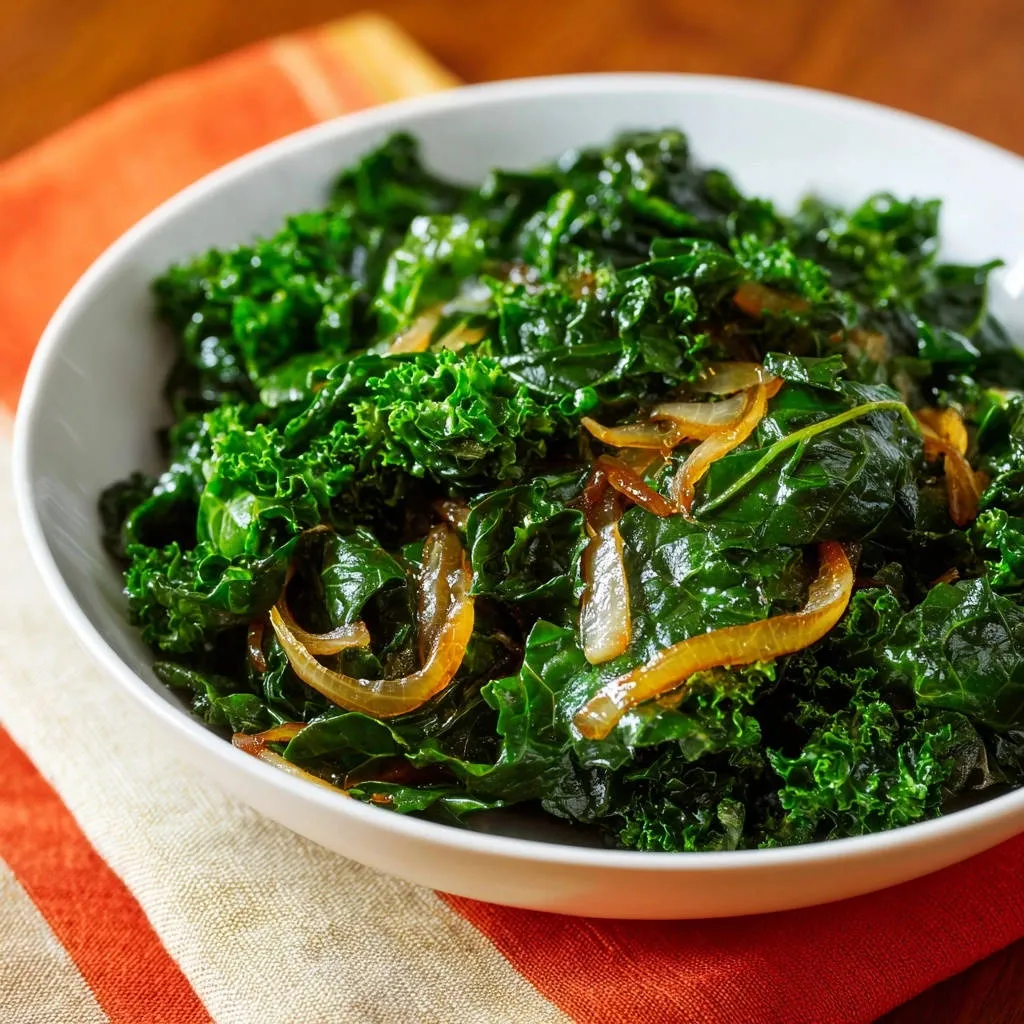
The Sautéed Kale Revelation: Why This Dish Changes Everything
Prepare to transform your perception of greens! If you've ever dismissed kale as merely a healthy obligation, get ready for a delicious awakening. Learning how to master simple
sauteed kale with olive oil isn't just about adding a side dish to your repertoire; it's about unlocking a vibrant, flavorful experience that can make even the most ardent kale skeptics fall in love. This quick and easy method, often ready in just 12 minutes, breathes new life into fresh kale, turning its sometimes tough leaves into tender, palate-pleasing bites.
For many, this specific preparation technique becomes their ultimate go-to, not only for its incredible simplicity—requiring often just three core ingredients—but for its undeniably delicious outcome. Imagine a dish so enticing that even children willingly devour their greens! This versatility makes it perfect as a standalone side dish, a robust base for proteins like grilled chicken or roasted vegetables, or even a satisfying lunch alongside cheddar cheese and juicy cherry tomatoes during garden season. The secret truly lies in the synergistic combination of quality extra virgin olive oil, a touch of flaky sea salt, and the inherent goodness of the kale itself.
Choosing Your Greens: Best Kale Types for Sautéing
While all kale varieties offer impressive nutritional benefits, not all are created equal when it comes to sautéing. Selecting the right type can significantly impact the texture and flavor of your finished
sauteed kale with olive oil. Two types consistently stand out as superior choices for this method:
Curly Green Kale
This is perhaps the most ubiquitous type of kale you'll encounter, easily recognizable by its tightly curled, frilly leaves. When sautéed, curly kale offers a delightful texture that is tender yet maintains a slight chewiness, sometimes even developing a subtle crispness around the edges. Its flavor profile is distinctly peppery, adding a zesty kick to your dish. The crinkly surface, while beautiful, does mean it requires thorough washing to remove any grit, but its resilience under heat makes it a reliable and popular choice for sautéing.
Lacinato Kale (Dinosaur Kale or Tuscan Kale)
Also known as Dinosaur Kale or Tuscan Kale, Lacinato kale is distinguished by its dark, often blue-green, bumpy leaves that are flatter and more elongated than curly kale. It possesses a slightly sweeter and earthier flavor, often described as less bitter than its curly counterpart. One of its most appealing attributes for cooking is its tendril nature; it tends to be less fibrous, which means it becomes wonderfully tender much more quickly when sautéed. Its flatter leaves also make it a breeze to wash and chop, adding to its popularity among home cooks. If you're looking for a softer, quicker-cooking result with a milder, sweeter taste, Lacinato is an excellent option.
While these two are champions, other varieties like Red Russian kale can also be sautéed effectively, offering similar nutritional benefits. However, for that perfect balance of texture, flavor, and ease of preparation in your
sauteed kale with olive oil, curly green and Lacinato are your best bets.
Elevate Your Sautéed Kale: Beyond the Basics with Flavor Boosters
The beauty of
sauteed kale with olive oil and a sprinkle of sea salt is its delicious simplicity. Yet, this humble base serves as an incredible canvas for a myriad of flavor enhancements, allowing you to customize your dish to perfectly complement any meal or craving. Here are some of the most popular and effective additions:
- Garlic: The Aromatic Foundation
Minced garlic is perhaps the most classic companion to sautéed kale. Sautéing it briefly with the olive oil before adding the kale releases its pungent, aromatic oils, infusing the entire dish with a wonderful depth of flavor. For a milder, more subtle garlic note, you can opt for a sprinkle of garlic powder instead. Aim to cook fresh garlic until fragrant, but not browned, to prevent bitterness.
- Fresh Lemon Juice or Zest: A Bright, Citrusy Kick
A squeeze of fresh lemon juice or a sprinkle of its vibrant zest after the kale is cooked is a game-changer. The bright acidity of lemon cuts through the richness of the olive oil and the earthiness of the kale, awakening the flavors and leaving a refreshing, clean finish. It's a simple addition with a dramatic impact.
- Red Pepper Flakes: A Touch of Heat
For those who appreciate a gentle warmth or a fiery kick, a pinch of red pepper flakes adds an exciting layer of spice. Add them to the olive oil along with the garlic for a more integrated heat, or sprinkle them over the finished dish for a more pronounced burst.
- Grated Cheese: Savory Indulgence
A sprinkle of grated Parmesan or Pecorino Romano cheese offers a delightful savory, salty, and umami-rich dimension. The cheese melts slightly into the warm kale, creating a luxurious and incredibly satisfying experience. It's especially good with a squeeze of lemon.
- Toasted Nuts: Crunch and Nutty Goodness
Toasted pine nuts, sliced almonds, or chopped walnuts provide a fantastic textural contrast and a healthy dose of nutty flavor. Lightly toast them in a dry pan before adding them towards the end of the kale's cooking process, or sprinkle them over the finished dish for maximum crunch.
- Sautéed Onions or Shallots: Sweetness and Depth
For an extra layer of sweet and savory complexity, caramelize thinly sliced onions or shallots in the olive oil before introducing the kale. Their mellowed sweetness beautifully complements the kale's slight bitterness. Cook them low and slow until golden brown and tender.
- Soy Sauce or Tamari: An Umami-Rich Twist
For an intriguing Asian-inspired flavor profile, a dash of soy sauce or tamari can lend a deep umami richness. Be mindful of the salt content if using soy sauce, adjusting any added sea salt accordingly. This pairs particularly well with a touch of sesame oil and red pepper flakes.
- Toasted Sesame Oil: Aromatic Finish
A tiny drizzle of toasted sesame oil, added just before serving, imparts a wonderfully nutty, aromatic flavor. It’s best used as a finishing oil, as high heat can diminish its delicate notes.
Experimenting with these boosters allows you to personalize your
sauteed kale with olive oil, ensuring it’s always fresh, exciting, and perfectly tailored to your taste.
Practical Tips & Storage for Your Sautéed Kale Masterpiece
Crafting the perfect batch of
sauteed kale with olive oil is simple with a few practical considerations.
Preparation is Key
Before cooking, ensure your kale is thoroughly washed and dried. Residual water can steam the kale rather than sauté it, preventing those delicious tender-crisp edges. Remove the tough stems by holding the bottom of the stem and stripping the leaves upwards, then chop the leaves into bite-sized pieces. Remember, kale will significantly reduce in volume during cooking, so don't be afraid to start with a large pile!
The Sautéing Process
Heat your extra virgin olive oil in a large skillet or pan over medium-high heat. If using garlic or red pepper flakes, add them first and cook until fragrant (about 30 seconds to a minute). Then, add your chopped kale. It might seem like a lot, but it will quickly wilt down. Toss the kale frequently with tongs, allowing it to cook evenly until it’s tender yet still has a slight bite – typically 5-7 minutes. Finish with a generous sprinkle of flaky sea salt and any chosen flavor boosters. For a step-by-step guide to achieving perfectly cooked kale every time, check out our
Easy Sautéed Kale: 12-Minute Garlic & Olive Oil Recipe.
Versatile Serving Suggestions
The beauty of
sauteed kale with olive oil lies in its incredible versatility. It shines as a simple, elegant side dish for almost any main course, from roasted chicken to pan-seared fish. Beyond a mere accompaniment, it can be transformed into a meal itself! Toss it with cooked pasta, grains like quinoa or farro, or a handful of your favorite beans for a hearty vegetarian option. It also makes a fantastic topping for toasted bread, turning a simple slice into an elevated open-faced sandwich. For more inventive ways to integrate this delicious dish into your meals, explore our article on
Sautéed Kale Beyond a Side: Versatile Meals & Topping Ideas.
Storage and Reheating
If you find yourself with leftovers, transfer the cooled
sauteed kale with olive oil to an airtight container and refrigerate. It will safely keep for 3-4 days. To reheat, simply warm it in the microwave in 15-second increments until fully heated through, or gently warm it in a skillet over low heat with a tiny splash of water or olive oil to prevent drying.
Unlock Your Kale Potential
From a humble bunch of greens to a flavorful, nutritious powerhouse,
sauteed kale with olive oil is a testament to the magic of simple cooking. By understanding the best types of kale to use and embracing a world of flavor boosters, you can transform this basic side into a culinary adventure every time. Whether you're a seasoned chef or a kitchen novice, this dish offers a delicious, healthy, and incredibly satisfying way to enjoy your vegetables. So, grab a bunch of kale, a good bottle of olive oil, and get ready to unlock a world of flavor!