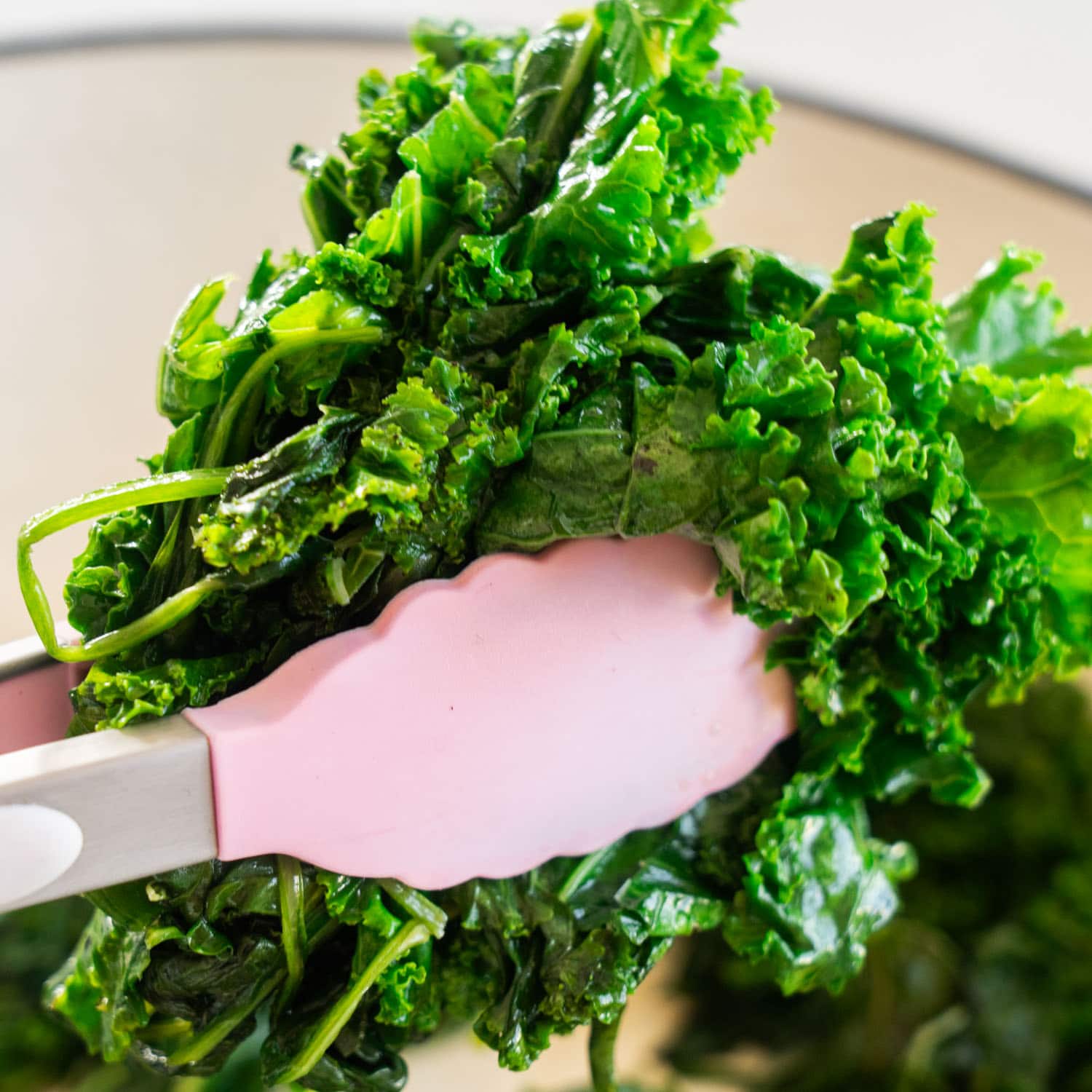
Sautéed Kale Beyond a Side: Versatile Meals & Topping Ideas
Once considered a bitter, tough green, kale has undergone a culinary renaissance, largely thanks to one simple, yet transformative preparation: sautéing. Forget the uninspired boiled versions of the past; perfectly sautéed kale with olive oil is a revelation, turning skeptics into devoted fans. This quick and easy method not only unlocks kale's rich, earthy flavor but also softens its texture, making it an incredibly versatile ingredient that deserves to be more than just a mere side dish.
Whether you're looking for a healthy weeknight staple, an inventive lunch component, or a unique topping to elevate your favorite meals, understanding the fundamentals of sautéed kale is your first step. It's a testament to how three humble ingredients – fresh kale, good quality extra virgin olive oil, and a sprinkle of flaky sea salt – can create a dish so flavorful, it might just become your new culinary obsession.
The Magic of Simple Sautéed Kale: A Foundation of Flavor
At its heart, the appeal of sautéed kale lies in its elegant simplicity. Imagine fresh kale leaves, gently cooked until tender-crisp, infused with the rich, fruity notes of extra virgin olive oil and brightened by a hint of sea salt. This basic preparation, often taking less than 12 minutes from start to finish, is the ultimate gateway to appreciating kale. For many, it's the recipe that sparked a newfound appreciation for this nutritional powerhouse.
The process is straightforward: heat the olive oil, add the prepared kale, and sauté until vibrant green and tender. The high heat of sautéing breaks down the kale's fibrous texture, making it more palatable and digestible, while preserving much of its nutritional value. The right amount of olive oil is crucial here, not just for cooking, but for carrying and enhancing the kale's natural flavors. And a good pinch of flaky sea salt? It's not just for seasoning; it provides a delightful textural contrast that elevates each bite.
This foundational method is so delicious that it often stands alone as a perfect accompaniment to a wide range of main courses, from grilled fish to roasted chicken. But its true magic lies in its adaptability. It serves as an excellent blank canvas, ready to absorb and complement an array of additional flavors and integrate seamlessly into more complex dishes. If you're eager to master this fundamental technique, consider exploring our comprehensive guide: Easy Sautéed Kale: 12-Minute Garlic & Olive Oil Recipe.
Choosing Your Greens: Best Kale Varieties for Sautéing
While virtually any type of kale can be sautéed, certain varieties truly shine in this preparation, offering distinct textures and flavor profiles that enhance the overall experience. Understanding the differences can help you select the perfect greens for your culinary creations.
- Curly Green Kale: This is arguably the most common and recognizable type, characterized by its vibrant green, frilly, and slightly ruffled leaves. Curly kale has a robust, slightly peppery flavor that holds up wonderfully to sautéing. When cooked, its texture becomes tender with a pleasant bite, retaining some of its natural structure. Its ruffled edges are excellent at catching and holding onto sauces or dressings.
- Lacinato Kale (Dinosaur Kale or Tuscan Kale): Also known as dinosaur kale due to its bumpy, reptilian-like texture, Lacinato kale features elongated, dark blue-green leaves that are flatter and more slender than curly kale. It's often preferred for sautéing because it tends to be less fibrous, offering a slightly sweeter and earthier flavor. Its flatter leaves make it incredibly easy to wash, de-stem, and chop, and it softens beautifully when cooked, often becoming more tender than curly kale.
- Red Russian Kale: With its striking purplish-red stems and flat, oak-leaf shaped leaves, Red Russian kale offers a milder, sweeter flavor profile compared to its green counterparts. It's known for its tenderness, making it another excellent choice for a quick sauté.
Regardless of the variety you choose, proper preparation is key. Always wash your kale thoroughly, as its textured leaves can trap dirt. For both curly and lacinato kale, it's best to remove the tough central stems by either tearing the leaves away or cutting along the stem. Once de-stemmed, chop or tear the leaves into bite-sized pieces. To dive deeper into selecting the best kale and discover more ways to boost its flavor, check out Unlock Delicious Sautéed Kale: Best Types & Flavor Boosters.
Elevating Your Sautéed Kale: Beyond Basic Flavor Boosters
While sauteed kale with olive oil and sea salt is a delightful dish on its own, it's also incredibly receptive to additional ingredients that can transform its flavor profile entirely. These boosters allow you to customize your kale to perfectly complement any meal or satisfy any craving.
- Aromatic Foundations:
- Garlic: Minced fresh garlic is a classic for a reason. Sauté it briefly in the olive oil before adding the kale to infuse a wonderful depth of savory flavor. For a milder touch, garlic powder can be stirred in later.
- Onions or Shallots: Thinly sliced onions or shallots, caramelized until sweet and tender, add a foundational layer of savory sweetness to the dish. Cook them down before the kale for the best results.
- Bright & Zesty Accents:
- Lemon: A squeeze of fresh lemon juice or a sprinkle of lemon zest at the end provides a refreshing, citrusy kick that brightens the kale and balances its earthy notes.
- Vinegar: A splash of balsamic or apple cider vinegar can add a pleasant tang and acidity, creating a more complex flavor profile.
- Spicy Kicks:
- Red Pepper Flakes: For those who enjoy a bit of heat, a pinch of red pepper flakes sautéed with the garlic will add a lively, spicy element.
- Fresh Chilies: Finely diced jalapeño or serrano peppers can provide a more pronounced freshness and heat.
- Rich & Umami-Packed Additions:
- Cheese: Grated Parmesan, Pecorino Romano, or even a crumbling of feta can add a savory, salty, and creamy dimension.
- Toasted Nuts: Pine nuts, sliced almonds, or chopped walnuts provide a delightful crunch and nutty flavor. Add them towards the end of sautéing or as a garnish.
- Soy Sauce or Tamari: A dash can impart an umami-rich, savory twist. Be mindful of the salt content if using these.
- Toasted Sesame Oil: A drizzle at the end offers an aromatic, nutty, and distinctly Asian-inspired flavor.
- Nutritional Yeast: A fantastic dairy-free option for adding a cheesy, umami depth.
- Herbaceous Touches:
- Fresh thyme, rosemary, or a sprinkle of dried Italian herbs can introduce aromatic complexity.
When experimenting with these additions, remember to taste as you go. The beauty of sautéed kale is its adaptability, allowing you to tailor it to your exact preferences.
Sautéed Kale: A Star in Versatile Meals & Topping Ideas
Beyond being a simple side dish, sauteed kale with olive oil has the potential to be a star ingredient in a multitude of meals and an innovative topping for almost anything. Its robust flavor and satisfying texture make it incredibly versatile.
Transforming Sides into Main Dishes:
- Grain Bowls & Salads: Sautéed kale is a phenomenal base for hearty grain bowls. Combine it with quinoa, farro, or brown rice, add roasted vegetables (like sweet potatoes or bell peppers), your favorite protein (grilled chicken, chickpeas, tofu), and a delicious dressing for a complete, nourishing meal. It also adds substance and a tender chew to any salad.
- Pasta & Grains: Toss warm sautéed kale with cooked pasta, a simple garlic and olive oil sauce, and perhaps some cherry tomatoes and Parmesan for a quick, wholesome meal. It's also excellent mixed into risottos, pilafs, or even served atop creamy polenta.
- Soups & Stews: Stir a handful of sautéed kale into your favorite minestrone, lentil soup, or white bean stew during the last few minutes of cooking for added nutrients, color, and texture without diluting the existing flavors.
- Stuffed Vegetables: Combine sautéed kale with rice, breadcrumbs, herbs, and cheese, then use this mixture to stuff bell peppers, mushrooms, or even baked potatoes for an impressive vegetarian main course.
Creative Topping & Filling Ideas:
- Toast & Sandwiches: Elevate your avocado toast with a layer of garlicky sautéed kale and a fried egg. It’s also a fantastic addition to grilled cheese, turkey sandwiches, or hearty veggie wraps, adding both flavor and nutrients.
- Eggs: Incorporate sautéed kale into your morning routine. Fold it into scrambled eggs, omelets, frittatas, or quiches for a boost of greens and savory depth. It pairs wonderfully with feta cheese and sun-dried tomatoes in an egg dish.
- Pizza & Flatbreads: Use sautéed kale as a delicious, healthy topping for homemade pizzas or flatbreads. Its slightly crisp edges provide a delightful textural contrast to the soft dough and melted cheese.
- Savory Pancakes & Waffles: For a unique brunch item, fold finely chopped sautéed kale into savory pancake or waffle batter, perhaps with some cheese or herbs.
- Tacos & Burritos: Add a nutritious and flavorful element to your tacos, burritos, or quesadillas. It works well with both meat and bean fillings.
Practical Tips for Perfect Sautéed Kale Every Time:
- Don't Overcrowd the Pan: For best results, sauté kale in batches if necessary. An overcrowded pan will steam the kale instead of allowing it to properly sear and develop its delicious texture.
- Heat the Oil First: Ensure your olive oil is shimmering but not smoking before adding the kale. This helps create that desirable tender-crisp texture.
- Season Throughout: Don't wait until the very end to season. A pinch of salt when the kale first hits the pan, and another adjustment at the end, will enhance its flavor.
- Cook to Tender-Crisp: Avoid overcooking, which can turn kale mushy. Aim for vibrant green, tender leaves with a slight bite remaining.
- Storage: Leftover sautéed kale can be stored in an airtight container in the refrigerator for 3-4 days.
- Reheating: Reheat gently in the microwave in 15-second increments, or quickly in a skillet over medium heat, adding a splash of water or broth to prevent drying out.
Conclusion
From a simple, elegant side to a foundational component in gourmet meals, sauteed kale with olive oil has proven its incredible versatility and deliciousness. This easy-to-master preparation transforms the humble green into a vibrant, flavorful ingredient that can adapt to countless culinary applications. By understanding the best kale varieties, exploring various flavor boosters, and incorporating it into a range of dishes, you can truly elevate your cooking and make this nutritious leafy green a beloved staple in your kitchen. So, next time you reach for kale, remember its potential beyond the side dish – it's an invitation to explore, create, and savor.
